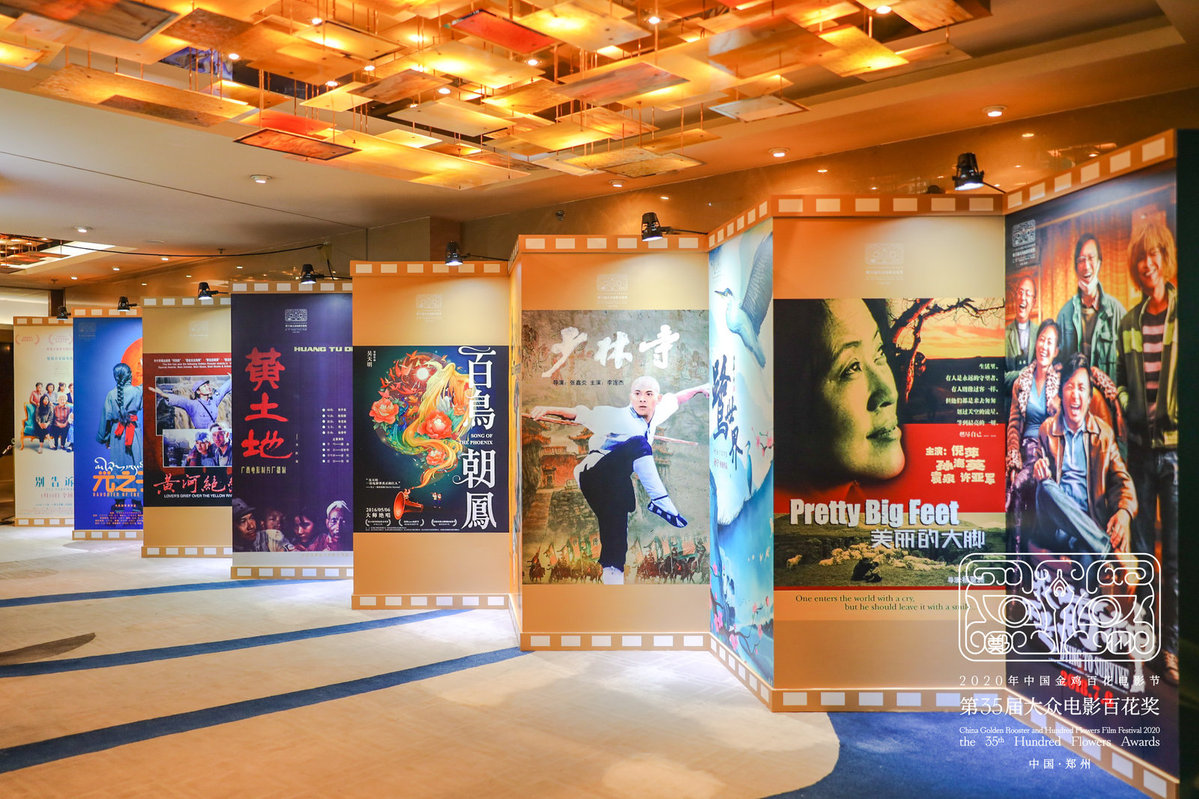
Golden Rooster and Hundred Flowers Film Festival
Introduction
The Golden Rooster and Hundred Flowers Film Festival is an eminent event in China's cinematic calendar, celebrated for its role in recognizing and promoting outstanding contributions to the nation's film industry. Held annually, this film festival alternates between hosting the prestigious Golden Rooster Awards and the Hundred Flowers Awards, both of which are among the most coveted accolades in Chinese cinema. The festival serves as a vital platform for filmmakers to showcase their work, fostering a spirit of creativity and innovation in the industry. Since its inception, the festival has attracted a diverse array of filmmakers, actors, and producers, both nationally and internationally, contributing significantly to the cultural and artistic landscape of China. The festival not only celebrates Chinese filmmaking talent but also serves as a bridge to international cinema, introducing audiences to a variety of global perspectives and storytelling traditions.
History
The Golden Rooster and Hundred Flowers Film Festival has a rich history that reflects the evolution of the Chinese film industry. Established with the aim of honoring excellence in filmmaking, the festival was initiated by the China Federation of Literary and Art Circles and the China Film Association in 1992. The Golden Rooster Awards, considered the more critical or "experts' choice" award, was first introduced in 1981 and quickly became a symbol of professional recognition within the industry. Meanwhile, the Hundred Flowers Awards, established in 1962, represent the audience's choice, highlighting films that have resonated with the public. Initially, these two awards were held separately, but since 2005, they have been alternately organized as part of the Golden Rooster and Hundred Flowers Film Festival. This merging of the two awards into a singular festival has allowed for a broader celebration of cinematic achievements and a more inclusive approach to honoring both critical and popular successes. Over the years, the festival has traveled across various cities in China, reflecting the country's diverse cultural heritage and promoting local film industries.
Organization
The organization of the Golden Rooster and Hundred Flowers Film Festival is a complex process involving multiple stakeholders in the Chinese film industry. It is jointly administered by key organizations, including the China Federation of Literary and Art Circles and the China Film Association. The festival's structure is designed to cater to a wide range of audiences and film professionals, encompassing a variety of activities such as film screenings, exhibitions, and forums. These events provide opportunities for networking, knowledge exchange, and showcasing the latest trends and innovations in cinema.
Selection Process
The selection process for the festival is rigorous, ensuring that only films of the highest quality are considered for awards. For the Golden Rooster Awards, films are evaluated by a panel of experts from various facets of the film industry, including directors, critics, and academics. This panel is responsible for shortlisting films from a large pool of entries, which often includes hundreds of submissions across different genres such as drama, animation, documentary, and children's films. The Hundred Flowers Awards, in contrast, are determined by audience votes, reflecting the preferences of the general public. This dual approach to selection ensures a balance between critical acclaim and popular appeal, making the festival a comprehensive celebration of cinematic excellence.
Awards Categories
The Golden Rooster and Hundred Flowers Film Festival features a wide range of award categories, each designed to recognize different aspects of filmmaking. The Golden Rooster Awards include categories such as Best Picture, Best Director, Best Actor, Best Actress, and awards for technical excellence like Best Cinematography and Best Editing. The Hundred Flowers Awards, on the other hand, focus on popular categories that resonate with audiences, such as Favorite Actor, Favorite Actress, and Favorite Film. The festival also acknowledges emerging talent with categories like Best New Director and Best New Actor/Actress, encouraging the next generation of filmmakers. In recent years, the festival has expanded to include international films, with awards like Best International Film, highlighting its growing influence and the globalization of Chinese cinema.
Significance
The significance of the Golden Rooster and Hundred Flowers Film Festival extends beyond its role as an awards ceremony. It is a crucial event that shapes the trajectory of the Chinese film industry, encouraging artistic excellence and fostering cultural exchange. The festival provides a platform for filmmakers to present their work to both national and international audiences, enhancing the visibility of Chinese cinema on the global stage.
Impact on Chinese Cinema
The impact of the Golden Rooster and Hundred Flowers Film Festival on Chinese cinema is profound. By recognizing and rewarding outstanding films and filmmakers, the festival plays a pivotal role in elevating the standards of filmmaking in China. It encourages filmmakers to push the boundaries of creativity and innovation, resulting in a more dynamic and diverse film industry. The festival's emphasis on quality storytelling and technical excellence inspires filmmakers to strive for excellence, contributing to the overall growth and development of Chinese cinema. Additionally, the festival's focus on diverse genres and topics reflects the changing social and cultural landscape of China, allowing filmmakers to explore new narratives and perspectives.
International Influence
The international influence of the Golden Rooster and Hundred Flowers Film Festival has grown significantly over the years. By including international films in its program and inviting global industry professionals, the festival has positioned itself as a key player in the international film circuit. This has led to increased collaboration between Chinese and foreign filmmakers, resulting in a rich exchange of ideas and techniques. The festival's recognition of international films and filmmakers also enhances China's cultural diplomacy, showcasing the country's openness to global cinematic influences and contributing to the cross-cultural dialogue. Through these efforts, the festival not only promotes Chinese films abroad but also introduces Chinese audiences to diverse international perspectives, enriching the cultural fabric of the nation.








